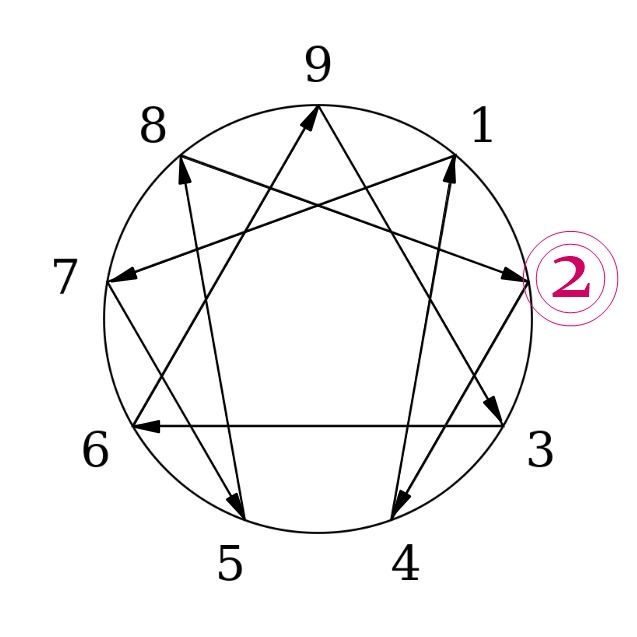
Enneagram Type 2: The Helper (Overview)
General Characteristics
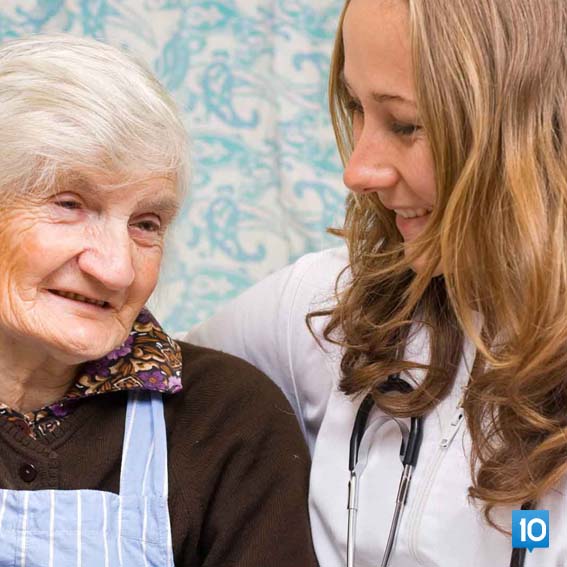
Type 2s focus on seeking out the needs of others and strive to meet those needs when they are perceived.
They want to love and be loved, and they seek to please their loved ones and expect them to reciprocate.
They excel in human relationships and are successful in making new connections.
They have developed feelings of compassion and empathy.
Warm and sincere, they have a wide circle of acquaintances.
Their concern for the welfare of others can lead them to neglect themselves.
They seek recognition from others and strive to be indispensable.
They find happiness in helping others and are supportive and generous.
They are emotional individuals who are quick to read the emotions of others and act accordingly.
In their attempts to help, they may inadvertently make others uncomfortable with their generosity or try to steer them in certain directions.
Strengths
- Helpful and compassionate
- Loving and affectionate
- Emotional and romantic
- Cheerful and warm
- Self-sacrificing and good communicator
Weaknesses
- Overly possessive and jealous
- Prideful and sensitive
- Quick to take offense and feel hurt
- Sudden outbursts of anger
- Directive and sometimes coercive